
AI in our products: from idea to production
How we decide where AI earns its place in a product, and how we take it from experiment to a feature users rely on.
Every company today says it "uses AI". We prefer a sharper question: where does AI make a difference the user can actually feel? In this post we share the path we follow from idea to production.
Start with the problem, not the technology
Our rule is simple. We add an AI feature only if it answers one of three questions: does it save the user time, does it remove repetitive work from the team, or does it open a possibility that did not exist before? If the answer is not a clear yes, we leave it out.
Examples from our products
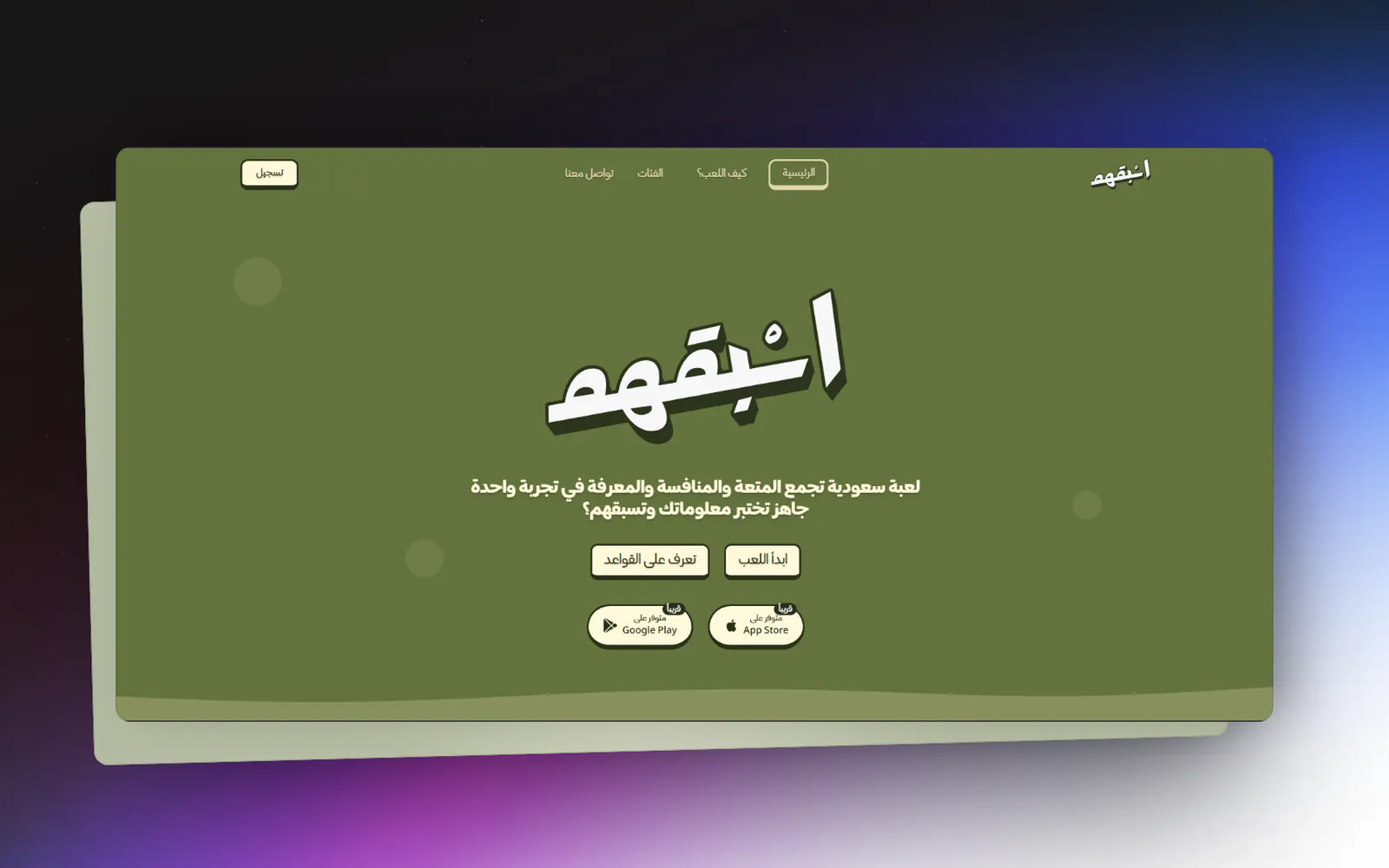
- Asbghm: language models generate and classify new word suggestions with Saudi and Gulf content, and a human editorial team reviews them before they reach players. The result is fresh content at a consistent quality.
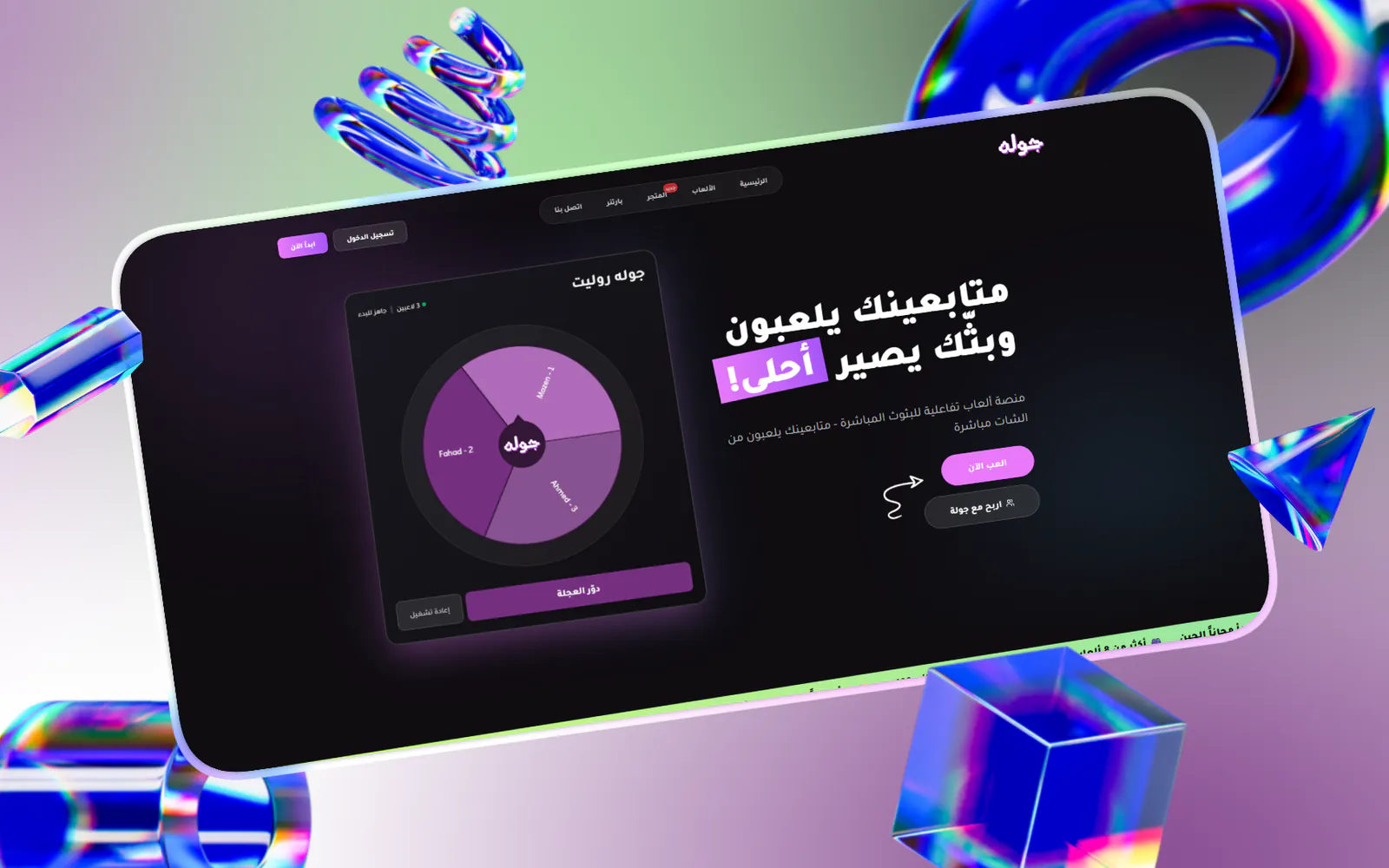
- Jawlah: smart chat filters that understand dialect and tell banter from abuse, keeping streams fun and safe without constant manual moderation.
- SNDR: analysis of bounce and complaint patterns to catch delivery problems before they hurt domain reputation.
From experiment to production
The gap between an impressive prototype and a reliable production feature is wide. Our approach:
- A real evaluation set of anonymised data that we measure every change against.
- A human in the loop for every user-facing output at first, until we trust the model.
- Hard limits on cost and latency: every call has a budget, a timeout and a fallback path if it fails.
- Continuous monitoring of output quality, because models change and data changes.
Arabic first, here too
Most models are trained on English first, so we invest time in evaluating them specifically on Saudi and Gulf dialects and build our own evaluation sets. A feature that works in English but not in Arabic is not a feature to us.
Takeaway
AI is a powerful tool when it is placed correctly and surrounded by the right engineering. Start with the problem, measure honestly, and keep a human in the loop until trust is earned. That is how we take AI from an idea to a feature a million users depend on.
Related posts
How we build platforms that scale to a million users
The engineering principles we apply from day one so that growth is never a painful surprise.
Read more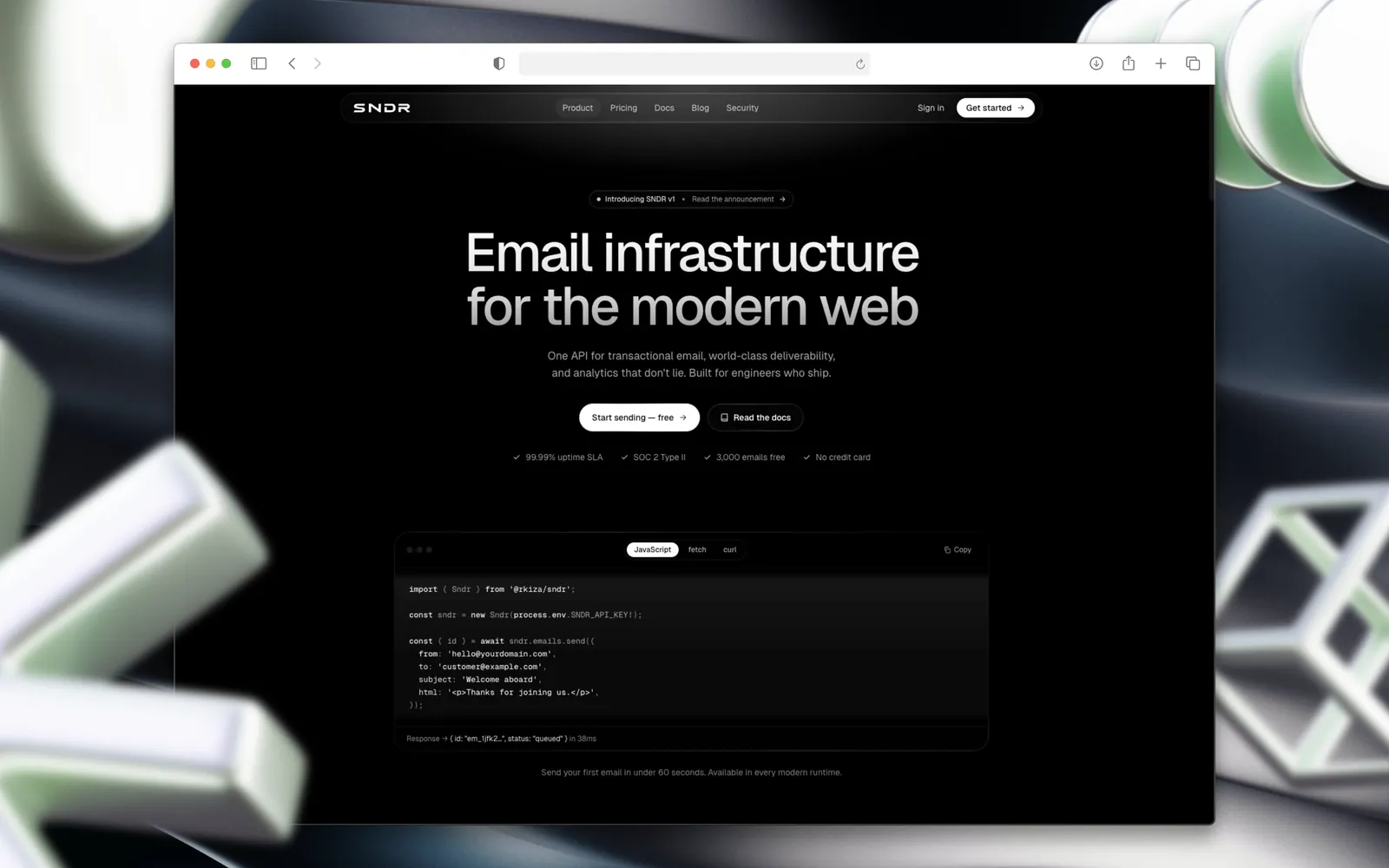
Why we built SNDR
How an internal problem with verification emails turned into a standalone product used by developers across the region.
Read more